
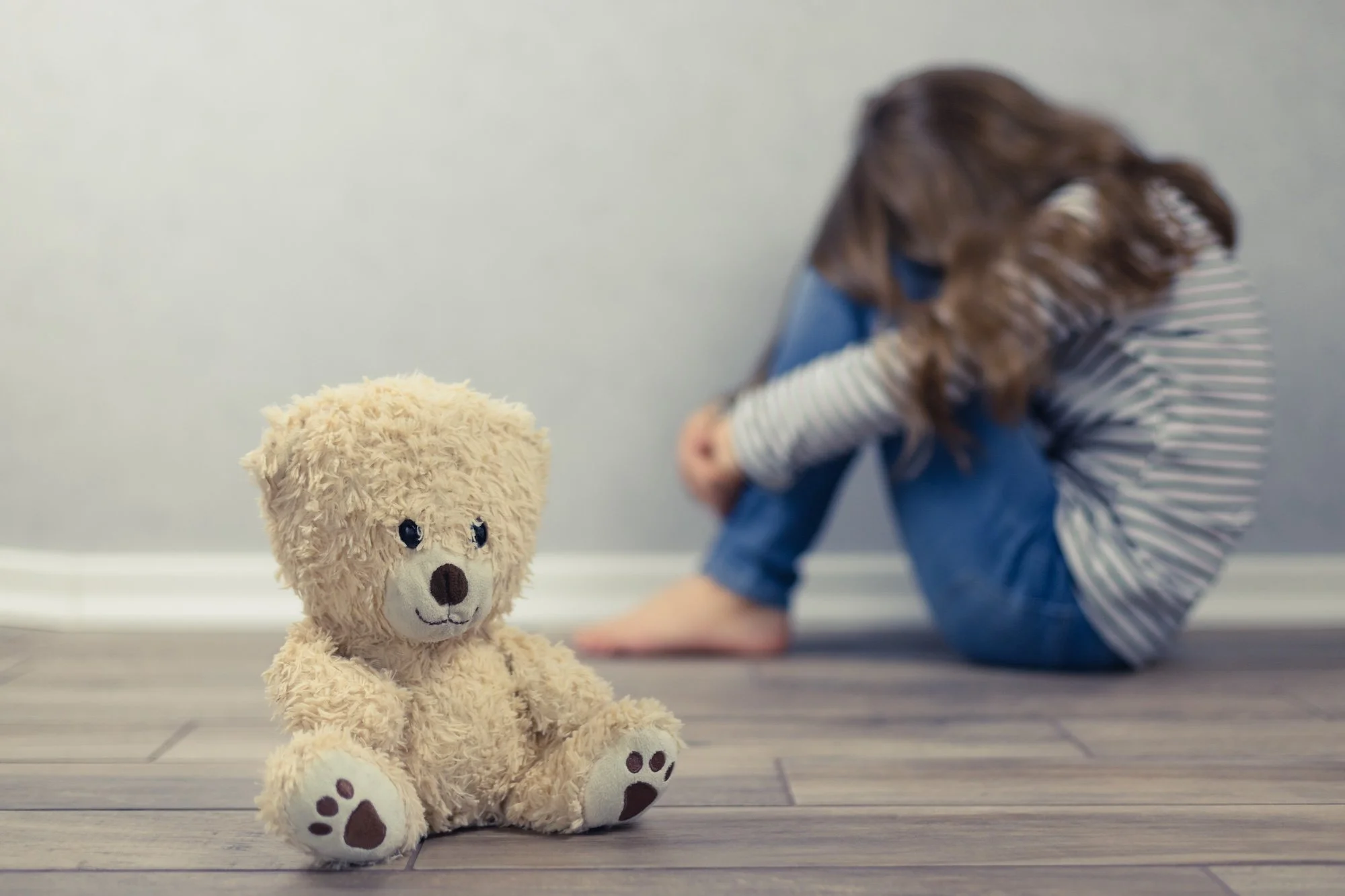
Recognizing the Hidden Signs of Child Abuse
Every kid deserves to have a happy and healthy childhood where they thrive and are not burdened by the trauma from abuse. It’s a horrific experience that steals innocence and can have potentially lasting effects.
Every kid deserves to have a happy and healthy childhood where they thrive and are not burdened by the trauma from abuse. It’s a horrific experience that steals innocence and can have potentially lasting effects.
Think about how child abuse can affect kids’ sense of safety and trust in their relationships and the world, in general. They can experience mental health issues like depression, anxiety and other trauma symptoms. To cope, they could do things such as abuse substances, take part in risky sexual behaviors, or get violent with themself or others. That’s why one of the most important things you can do for a child is to look out for signs of child abuse and get them the help they need to go back to being a kid.
People who regularly interact with children are in the best position to notice the sometimes hidden signs of child abuse. Parents, grandparents, day care workers, youth groups, coaches, or other community members can be in key positions to see the signs that lead to getting kids help. The first step is being aware. The top tens signs of abuse are:
Unexplained Injuries
Changes in Behavior
Returning to Earlier Behaviors
Fear of Going Home
Changes in Eating
Changes in Sleeping
Changes in School Performance and Attendance
Lack of Personal Care or Hygiene
Risk-taking Behaviors
Inappropriate Sexual Behaviors
Unexplained Injuries: While Cherish Center may serve more victims of child sexual abuse than they do victims of child physical abuse, federal data shows that physical abuse is considerably more common.
Be aware of some of the visual signs of an injury that a child received that they didn’t get from playing at the park, sports, or even just running around at home and accidentally bumping into a corner of a table.
For example, is the child favoring a particular part of their body more than normal? Do you see patterned or clustered bruises that came from something like a handprint? Burns, such as from a cigarette, or multiple burn marks could indicate potential signs of abuse.
Changes in Behavior: If you’ve established a great relationship with a kid, you know how they usually present themselves, but be on the lookout for any changes in their personality. Was the child generally happy, and now they consistently seem more sad or apathetic.
Many years ago I helped coach a youth basketball team for 6 to 8 year olds. Several of the same boys were on the team all three years. One of the boys was passive and timid the first year and we really had to encourage him to participate and enjoy playing with the other kids. The second year he returned he started showing signs of anger and aggression with the other boys. At one practice he slapped another boy in the face and pushed him down. When the other coach and I pulled him aside to address the behavior I asked him, “are you ok?” and he started to cry. The boy shared that he didn’t want us to tell his dad because he would get mad and would hit him. Following a report to the DCS hotline the child and his siblings were seen at a child advocacy center and domestic violence and physical abuse were disclosed. The next season this boy was a a different child, more confident and happy child after having intervention and protection from abuse his family had been dealing with for some time.
Returning to Earlier Behaviors: When a child reverts to behaviors that were behaviors or actions they did when they were younger as a coping mechanism for the trauma they may have previously experienced. Do they suck their thumb, or are they more attached to a stuffed animal or plushie when they have been past this typical developmental stage for some time? Does the child seem to have regressed in speech reverting to “baby talk”?
Fear of Going Home: Home is supposed to be a safe space for children, but if they are afraid to go home, it’s a cause for concern to make a report. While it may not mean they, for certain, have been abused, the trusted adult should definitely talk to the child about what changed and why they want to avoid going home.
Changes in Eating: Watch the child’s eating habits. Are they recently not eating when they have a normal appetite. Or vice-versa, are they suddenly eating a lot consistently? This is another possible method of coping with trauma.
Changes in Sleeping: It’s a given that kids need sleep for crucial physical and mental development, but how is the child in your life sleeping? Do they not get any sleep at all? Maybe all they want to do is sleep. In either direction, that could indicate the child is stressed, anxious or depressed about something they experienced, such as abuse.
Changes in School Performance and Attendance: Simply put, their grades are dropping, or they just don’t want to even go to school. Maybe it’s because they’re dealing with trauma, and their focus is not on education.
Lack of Personal Care or Hygiene: As a parent I know that there are certain ages when children are more focused on playing and all the things they want to do than in grooming. And yes, there are days when they argue about showering and grooming. However, in the case of another child who may have been abused, their lack of personal care or hygiene can be tied to stress, depression, or anxiety. Long term changes in a child’s personal care or noticeable degrade is a possible sign of abuse or neglect.
Risk-taking Behaviors: This goes beyond taking your bicycle or BMX dirt bike off of “sweet jumps,” or swinging off of a tire swing into the river. This means seeing kids take up smoking, vaping, drugs or alcohol, as attempts to numb emotional pain or cope with abuse as a few examples.
Inappropriate Sexual Behaviors: Looking at Youth with Problematic Sexual Behavior (YPSB) is more than kids playing doctor or showing curiosity about private parts. PSB involves sexual body parts and is outside of typical development. Check out healthychildren.org’s article on Sexual Behaviors in Young Children: What’s Normal, What’s Not? for a comprehensive list of inappropriate sexual behaviors.
What to Do if You Suspect Abuse
If a child has disclosed abuse to you, the most important thing you can do for a child is to remain calm, tell them they are believed, and you’re going to work to get them help. It is important to note that while a child may have exhibited one or multiple signs of abuse, that doesn’t necessarily mean they have experienced trauma. However, even if you suspect child abuse, contact the DCS hotline at 1-800-800-5556. Reports can be made anonymously, and state law protects the identity of the reporters. You can also reach out to Cherish Center for more information about your concerns and walk you through what happens next.

Why Every Child Needs a Safe Place to Be Heard
Most parents and caregivers think that the child in their life would tell them if they were being hurt in any way. But, the reality is that kids rarely tell their parents when there is abuse and especially if the abuse is from someone they or their family knows. According the the U.S. Department of Health and Human Services 76% to 89% of child abuse an neglect is at the hands of a family member or cargiver. Shame, manipulation, retaliation, or confusion are all real reasons a child is less likely to tell someone about the things they are experiencing. Children often simply don’t have the capacity to process what is happening to them. Children who are being abused by a parent or family member are easily manipulated because children want to be loved and need to trust those who care for them. Kids try to understand things that their brains are not developed enough to understand even though their bodies are screaming that something is wrong.
Most parents and caregivers think that the child in their life would tell them if they were being hurt in any way. But, the reality is that kids rarely tell their parents when there is abuse and especially if the abuse is from someone they or their family knows. According the the U.S. Department of Health and Human Services 76% to 89% of child abuse an neglect is at the hands of a family member or cargiver. Shame, manipulation, retaliation, or confusion are all real reasons a child is less likely to tell someone about the things they are experiencing. Children often simply don’t have the capacity to process what is happening to them. Children who are being abused by a parent or family member are easily manipulated because children want to be loved and need to trust those who care for them. Kids try to understand things that their brains are not developed enough to understand even though their bodies are screaming that something is wrong.
Katie is a 7 year old bright little girl who came to school with bruises in a line across her arms. The teacher noticed the bruises and asked her what happened. “Oh…I don’t know.” Katie answered. The teacher was concerned because she had seen marks before on Katie but nothing that looked like this. The teacher reported the concerns and a DCS report was generated. Katie was brought to the CAC and in the forensic interview Katie began to share that she gets in trouble at home and she doesn't want to get anyone mad. Katie had been told she was bad and her parents would beat her with a belt to beat the bad out of her. Katie had come to believe that was her fault and the shame of that kept her from telling anyone about how severe the abuse had been. She never did say how the line bruises got on her arms because she had been told she would go to hell if she told. When Katie was examined by a forensic physician connected to the CAC process scars and past bone breaks were found. Katie had believed that she was the cause for the brutal punishment by her parents. Shame, manipulation, and fear of retaliation kept Katie from telling anyone until she was at the CAC in a safe neutral place where the trained professionals were able to hear what Katie was able to tell about how she was being physically and emotionally abused. After Katie had been removed from her abusive home she began to feel safe from the retaliation and confusing manipulations in her home. Katie was then able to feel safe to tell what had happened to her.
Like Katie, when family members are the abuser they rarely tell anyone. Physical abuse and neglect is most often reported by teachers, daycare workers, friends or medical personnel when there are visible signs of abuse. When there is sexual abuse or exploitation there are less physical signs that others may see to report or ask children. With sexual abuse children are more likely to be groomed by their perpetrator by using tactics to keep a child engaged to “normalize” things that are abusive and mix it with things that appear kind and normal. Perpetrators may buy gifts, arrange special activities that confuses the child victim more. Abusers often groom parents and caregivers as well further adding to the child victim. If parents seem to trust and like this person then what they are doing must not be wrong. Abusers often do not use physical force, but may use play, deception, threats, or other forms of coercion to engage children and maintain their silence. Perpetrators work very hard to keep children they are abusing from telling anyone-making it so very important to provide the best possible place for a child to feel safe to share and be heard where they can get help.
Cherish Center is a Nationally Accredited child advocacy center that provides the safe place for children to be heard in Hamilton County. Research shows that a child is more likely to share information about what they are dealing with in their life in a safe, neutral place than in any other setting. Child Advocacy Centers are specifically set up using that research and evidence to be THE safe neutral place for children. By going to Cherish Center the child is more likely to be able to talk to one person who is trained to understand how children developmentally respond to trauma and can allow the child to talk about what may have happened to them so that they do not have to talk multiple times to all the agencies that need that information to begin to investigate. And in that same safe, neutral place the child and the family can access resources to help deal with whatever needs they may have and advocates walk with the child and family through the processes that may follow to prevent any further harm. Cherish Center is the place that gives kids a voice through the process of an abuse investigation and the first step of hope and healing for a child.